


Understanding Morocco’s culture and history transforms a simple vacation into a truly meaningful journey. Knowledge creates connection.
Every traveler who takes time to learn about this country’s heritage reports a dramatically richer experience. Context changes everything.
Therefore, this morocco travel guide culture and history provides essential background for anyone planning to visit Morocco. The information here will enhance every moment of your trip.
Moreover, Morocco is a land where ancient traditions coexist with modern life in extraordinary ways. The past isn’t preserved in museums — it lives in daily routines.
From the languages people speak to the holidays they celebrate, from the food they prepare to the history they carry — Morocco reveals itself layer by layer.
Furthermore, this guide covers the essential cultural knowledge that every traveler should possess. Understanding customs, history, and social structures creates respect and deeper connections.
Whether you’re planning Morocco tours, Morocco adventures, or independent exploration, this morocco travel guide culture and history will be your most valuable companion.
Official Language: Arabic and Berber

Morocco’s official languages are Arabic and Berber (Amazigh). Both languages hold equal constitutional status since 2011.
Arabic is the primary language of government, media, and formal communication. Most Moroccans speak Darija — the Moroccan dialect of Arabic.
Furthermore, in addition to Arabic and Berber, French is widely spoken throughout the country. It serves as the primary language of business and higher education.
Spanish is also commonly used, particularly in northern Morocco. The historical influence of Spanish colonization left a lasting linguistic legacy.
Moreover, English is increasingly common among younger Moroccans and in tourist areas. However, learning a few Arabic or French phrases shows respect and opens doors.
Understanding this linguistic diversity enriches every cultural activities Morocco experience. Your Marrakech local guide or local guides Morocco will typically speak multiple languages fluently.
This multilingual reality reflects Morocco’s position at the crossroads of civilizations. Language here tells the story of centuries of cultural exchange.
The People of Morocco: Berber, Arab, and Beyond
Most Moroccans are of Berber, Arab, or mixed Arab-Berber descent. This blending of identities creates Morocco’s unique cultural character.
The Berbers were Morocco’s first occupants and they form the bulk of the population. Their heritage stretches back thousands of years before any foreign influence.
Furthermore, they are generally divided into four groups and speak four variants of the Berber language. The Rif, the Middle Atlas group, the Berbers of the High Atlas, and nomadic groups of the southern provinces each maintain distinct traditions.
Sizable minority populations also contribute to Morocco’s diversity. The West African populations of Haratin and Gnawa emerged from a complex historical legacy.
Moreover, the Jewish community has been present in Morocco for over 2,000 years. Although it has decreased significantly since the 1950s, its cultural influence remains strong.
Understanding these diverse communities enriches every Moroccan villages tour and traditional Moroccan experiences encounter. The people you meet carry extraordinary heritage.
Moroccan heritage tours that explore these different communities provide the deepest authentic Moroccan experiences available. Each group contributes unique traditions, music, and cuisine.
This human diversity is what makes Morocco tours so culturally rich. Every region reveals different faces of the same fascinating country.
Religion in Morocco: Faith and Daily Life
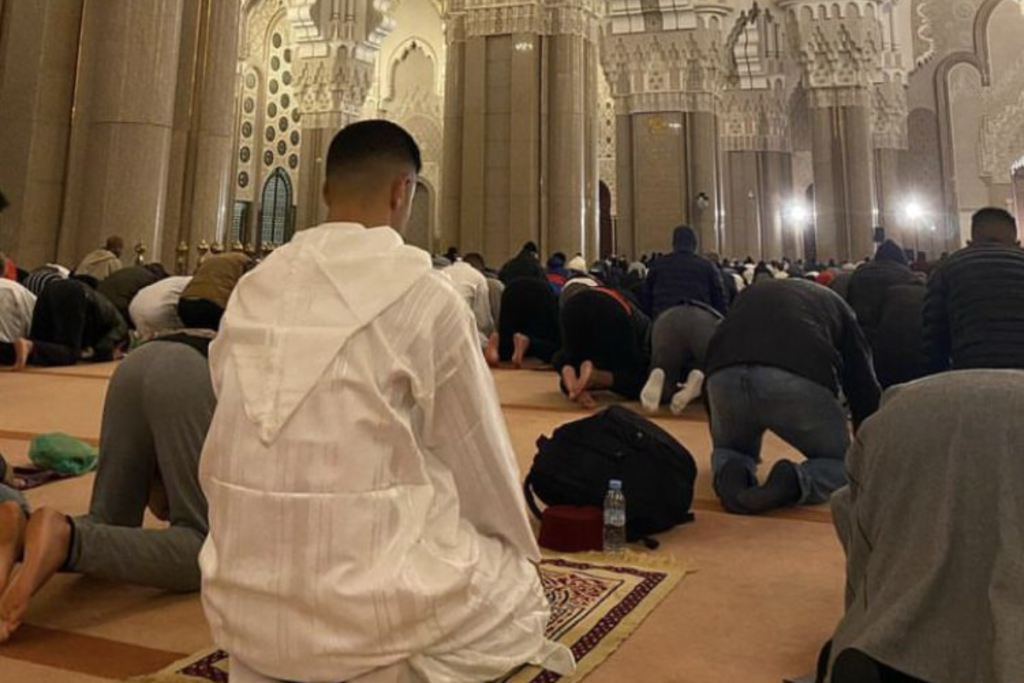
Almost all Moroccans follow Islam and a large majority are Sunni Muslims. They belong to the Maliki school of Islamic jurisprudence.
Islam shapes daily life in profound and visible ways. The call to prayer echoes across every city five times daily, creating a rhythm that defines Moroccan existence.
Furthermore, other minority religions include Christianity, Judaism, and Bahaism. Morocco’s constitution guarantees freedom of worship for all faiths.
The country’s religious tolerance is remarkable by global standards. Synagogues stand alongside mosques in many Moroccan cities, testament to centuries of coexistence.
Moreover, understanding Islamic customs helps travelers navigate cultural activities Morocco with greater sensitivity. Simple awareness of prayer times, Ramadan, and modest dress expectations shows profound respect.
Moroccan culture and religion are deeply intertwined. Architecture, art, music, and cuisine all reflect Islamic aesthetic and spiritual values.
Moroccan traditions rooted in faith create some of the most beautiful moments travelers can witness. Friday prayers, evening Ramadan meals, and religious celebrations offer extraordinary cultural glimpses.
Visiting during Ramadan provides particularly profound authentic Moroccan experiences. The evening iftar (breaking of fast) transforms cities into communal celebrations.
National Holidays: When Morocco Celebrates
Morocco’s national holidays reflect its modern history and royal traditions. These celebrations offer unique opportunities for cultural activities Morocco and authentic Moroccan experiences.
January 1 marks New Year’s Day. January 11 celebrates the Independence Manifesto, a crucial document in Morocco’s path to independence.
Furthermore, May 1 is Labour Day. July 30 is Throne Day — the most important civil holiday in Morocco, celebrating the king’s accession.
August 14 commemorates the Allegiance of Oued Eddahab. August 20 marks the Anniversary of the Revolution of the King and the People.
Moreover, August 21 is Youth Day. November 6 is Green March Day, commemorating the peaceful march to reclaim the Sahara.
November 18 celebrates Independence Day. This marks Morocco’s formal independence from French and Spanish protectorates in 1956.
These holidays often feature parades, festivities, and special cultural events. Planning your Morocco holidays around these dates adds extraordinary cultural dimension.
Moroccan history tours that coincide with national celebrations provide unique insider perspectives. The patriotic energy is palpable and deeply moving.
Religious Holidays: Morocco’s Sacred Calendar
Religious holidays in Morocco follow the Islamic lunar calendar. Dates vary from year to year, creating different experiences across different visits.
Al-Hijra marks the Islamic New Year. Ramadan, the month of fasting from dawn to sunset, is the most significant religious observance.
Furthermore, Eid al-Fitr marks the joyful end of Ramadan. Families gather for elaborate meals and celebrations that continue for several days.
Eid al-Adha commemorates the sacrifice of Abraham. This is perhaps the most important family holiday in Morocco, marked by special meals and community gatherings.
Moreover, Eid al-Mouloud celebrates the birth of the Prophet Muhammad. Music, processions, and special foods mark this beloved celebration.
Ashura commemorates the assassination of Hussein and remembers the dead. It is a time of reflection, charity, and community support.
Experiencing these religious holidays provides the most profound authentic Moroccan experiences possible. The spiritual energy transforms entire communities.
Local experiences Morocco during religious celebrations reveal the deepest layers of Moroccan traditions. These are moments of genuine cultural significance.
History: Morocco’s Extraordinary Story Begins

Perched between Europe and Africa, Morocco’s history is defined by its geography. Throughout time it has been a prized location for empires.
The country has been a crossroads of civilizations for millennia. Every conquering power left its mark on the culture, architecture, and traditions.
Therefore, understanding this morocco travel guide culture and history transforms how you see every monument and medina. Stories emerge from ancient stones.
Moreover, this historical depth is what makes Moroccan history tours so fascinating. Every city contains layers of civilization waiting to be explored.
Cultural tours Morocco that incorporate historical context deliver the richest travel experiences available. Past and present merge in extraordinary ways.
Ancient and Roman Morocco
After the Roman conquest of Morocco at the beginning of the Christian era, the country suffered many foreign invasions. The Vandals arrived in 429 AD.
The Byzantines followed, and then the Arabs invaded in 705 AD. These invaders introduced Islam and Arab culture that would transform the country forever.
Furthermore, the Roman ruins at Volubilis near Meknes demonstrate the depth of ancient civilization here. Remarkably preserved mosaics and architecture survive after two thousand years.
This era created the foundations for Morocco’s cultural complexity. Each civilization added new elements to the existing Berber substrate.
Moreover, Morocco sightseeing tours that include Volubilis provide essential historical context. The site is a UNESCO World Heritage treasure.
The Islamic Golden Age and Dynastic History
With a solid base in Morocco, the Arabs invaded Spain in 711 AD and conquered most of it. This expansion shaped both Moroccan and European history profoundly.
At the end of the eighth century, Idriss, descendant of the Prophet Muhammad’s daughter Fatima, found refuge in Morocco. He unified the country and moved the capital to Fez.
Furthermore, recognized as a powerful figure across northern Morocco, he unified the country. After his death, his son Idriss II extended their influence into Europe.
In the 11th century, the Berber Almoravids took power into their hands. They founded Marrakech, which remains one of Morocco’s most spectacular cities.
Moreover, the Almohads toppled the Almoravids and founded a new dynasty. By the 13th century, they had lost most of the Muslim territory to Spanish Christian forces.
The Merinids overthrew the Almohads, captured Marrakech, and put an end to the dynasty. This cycle of power shaped the architecture and culture visible today.
Furthermore, the Wattasids seized power in 1240 and ruled Morocco by 1469. The 16th century saw the Saadians take control and establish yet another golden age.
This dynastic history created the extraordinary architectural legacy visible across Morocco today. Marrakech tours, Fes tours, and Moroccan heritage tours reveal these layers.
Understanding which dynasty built which monument transforms casual sightseeing tours into genuine historical exploration. Every palace tells a dynastic story.
Guided tours Morocco with knowledgeable historians bring these complex narratives to life. The depth of Moroccan history demands expert interpretation.
Morocco’s Modern History
Morocco’s modern history is equally fascinating. The French and Spanish protectorates (1912-1956) dramatically reshaped the country.
European colonization brought modernization but also resistance. The independence movement created heroes still celebrated today.
Furthermore, King Mohammed V’s leadership during the independence struggle earned him legendary status. His refusal to betray Moroccan Jews during WWII demonstrated extraordinary moral courage.
The current monarchy under King Mohammed VI continues modernizing while preserving tradition. This balance defines contemporary Moroccan identity.
Moreover, understanding this modern context enriches every cultural activities Morocco encounter. Today’s Morocco reflects decisions made across the last century.
Moroccan history tours covering the modern period reveal how rapidly Morocco has evolved. Infrastructure, education, and tourism have transformed the country within living memory.
Food: Morocco’s Extraordinary Culinary Heritage
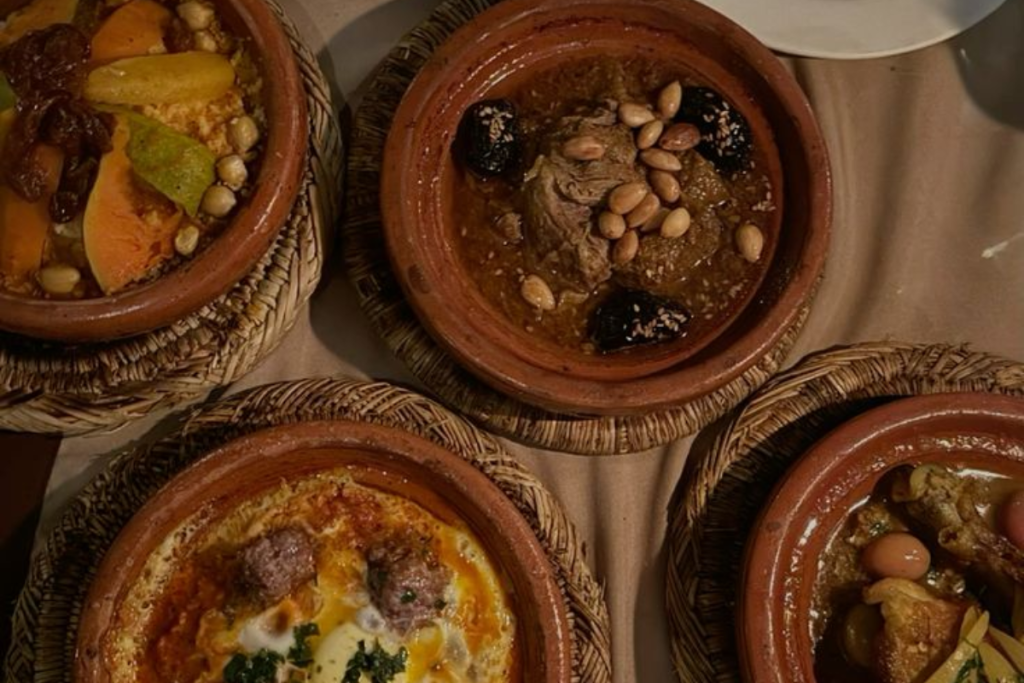
Moroccan food tour experiences reveal one of the world’s most sophisticated cuisines. Every dish carries centuries of cultural influence.
Moroccan cuisine blends Berber, Arab, Mediterranean, and African traditions into something entirely unique. The complexity of flavors is extraordinary.
Furthermore, food experiences Morocco extend far beyond restaurants. Market visits, cooking classes, and family meals create the deepest culinary understanding.
Practical Information for Travelers
This morocco travel guide culture and history includes essential practical knowledge for planning your journey.
Morocco uses the Moroccan dirham (MAD) as its currency. ATMs are widely available in cities and larger towns throughout the country.
Furthermore, the electrical system uses European-style two-pin plugs at 220V. Adapters are readily available in Moroccan shops.
Tipping is customary in restaurants (10%), for guides, and for small services. Small denominations make this easy and appreciated.
Moreover, modest dress is appreciated, particularly outside major tourist areas. Covering shoulders and knees shows cultural respect.
The climate varies dramatically by region and season. Pack layers and research conditions for your specific destinations.
Morocco travel packages typically include guidance on practical matters. However, independent travelers benefit from this advance knowledge.
Conclusion: Prepare Your Heart and Mind for Morocco
This morocco travel guide culture and history provides the essential foundation for an extraordinary Moroccan journey.
Understanding the languages, people, religion, holidays, and history transforms tourism into genuine cultural exchange.
Furthermore, Morocco rewards prepared travelers with experiences of astonishing depth. The more you know, the more the country reveals.
From Moroccan culture and Moroccan traditions to Moroccan heritage tours and authentic Moroccan experiences — every dimension becomes richer with understanding.
Moreover, whether you choose Morocco tours, Morocco adventures, Marrakech tours, or independent explore Morocco journeys, cultural knowledge is your most valuable asset.
Morocco has been welcoming travelers for millennia. Those who arrive with open hearts and informed minds discover the most extraordinary rewards.
